
(inc GST)
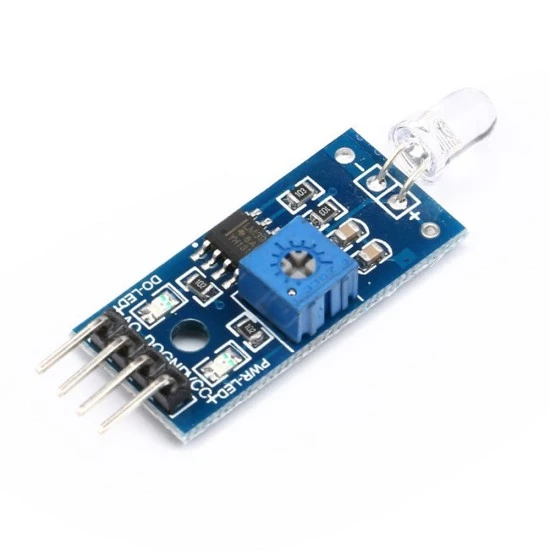
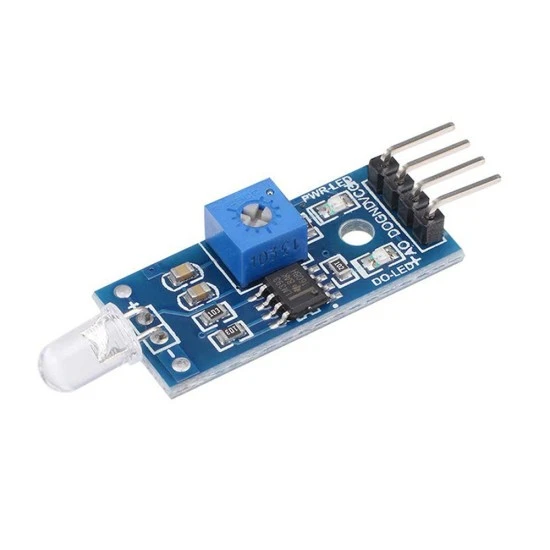
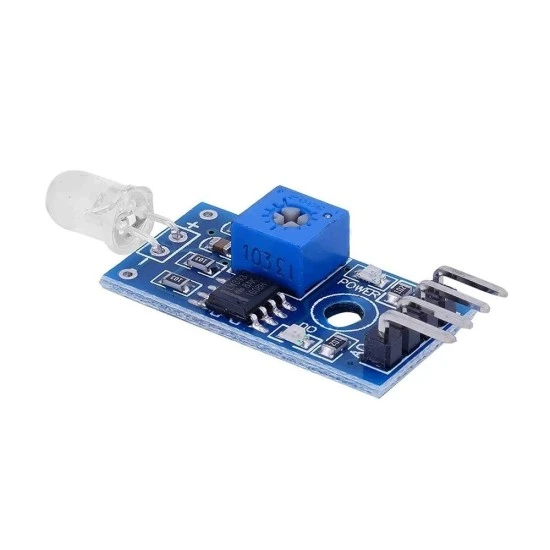
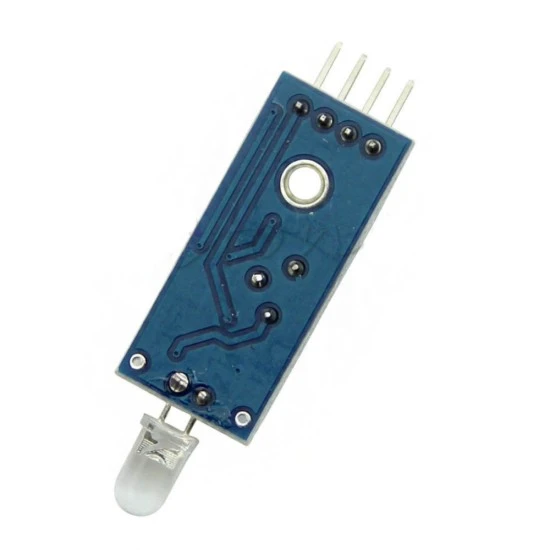
The 4-Pin Photodiode Light Detection Sensor Module is a highly sensitive photosensitive module designed for precise ambient light and brightness detection. Unlike standard photoresistors (LDRs), this module utilizes a photodiode which offers directional sensitivity, faster response times, and superior accuracy in tracking light changes. It is an essential component for projects requiring reliable light-level triggering or continuous analog brightness monitoring.
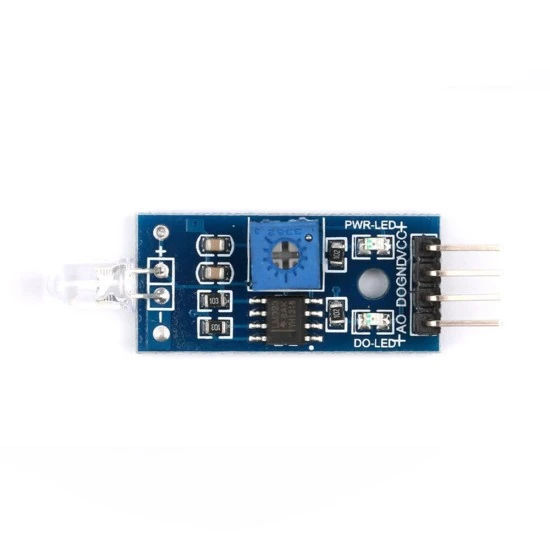
This module features an onboard LM393 comparator integrated circuit that provides a clean, low-noise digital output (DO) signal with a driving capability of over 15mA. The digital threshold can be easily adjusted using the onboard multi-turn potentiometer. Additionally, the module provides a direct Analog Output (AO) pin, allowing you to read real-time voltage variations with microcontrollers like Arduino, ESP32, ESP8266, and Raspberry Pi for advanced light-intensity mapping.
Features:
- Directional Light Sensing: Equipped with a high-sensitivity photodiode that detects light from a specific direction, minimizing ambient interference.
- Dual Output Mode: Features both Analog Output (AO) for real-time voltage readings and Digital Output (DO) for threshold-based switching.
- Onboard LM393 Comparator: Ensures stable digital output signals with excellent noise immunity and a clean waveform.
- Adjustable Sensitivity: Built-in potentiometer allows precise calibration of the digital output trigger point.
- Status Indicators: Onboard power LED and digital output status LED make debugging and calibration quick and simple.
- Easy Mounting: Includes a pre-drilled bolt hole for secure installation in custom enclosures or robotic chassis.
Package Includes:
1 x 4-Pin Photodiode Light Detection Sensor Module
| Technical | |
| Comparator IC | LM393 |
| No. of Pins | 4 |
| Operating Temperature Range | -40°C to 85°C |
| Operating Voltage | 3.3V - 5V |
| Output Type | Analog and Digital (AO, DO) |
Ask a Question about 4-Pin Photodiode Light Detection Sensor Module
Be the first to ask a question.
